26 October 2026
Emergency Dentist Plano, TX: First Aid for Common Tooth Injuries
Presented by @deansupk991
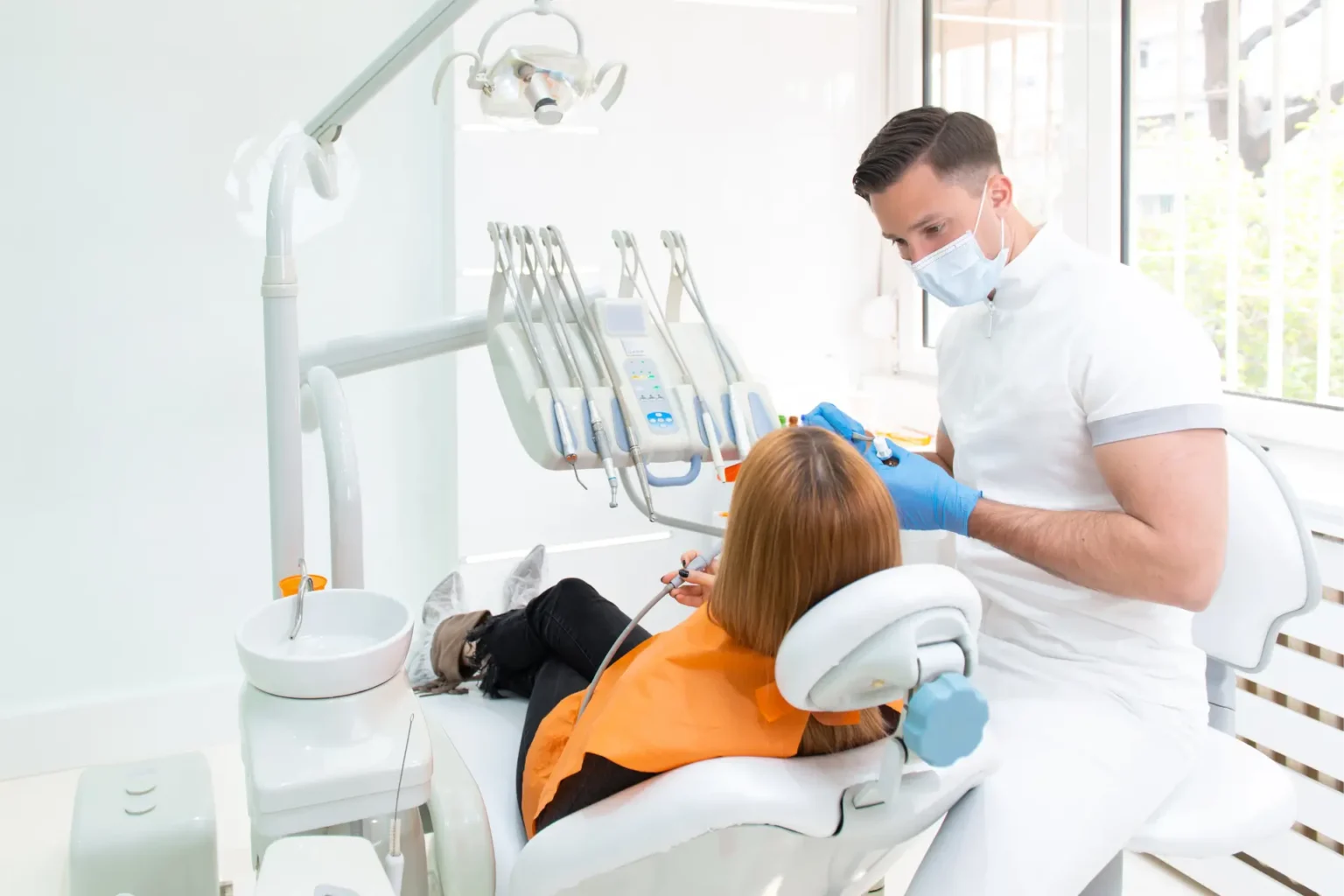

A dental injury rarely happens at a convenient time. It starts with a crack from a fall on the driveway, a hard elbow during a weekend basketball game, or a sudden bite into something that should have been softer than it was. In a matter of seconds, a normal day turns into a scramble for answers.
When that happens, good first aid can make a real difference. It can reduce pain, limit swelling, protect the tooth, and in some cases improve the odds that a dentist can save it. Just as important, it helps you avoid the small mistakes that make treatment harder later, like scrubbing a knocked-out tooth, waiting too long to seek care, or assuming a chipped tooth can wait because it does not hurt much.
If you are looking for an emergency dentist Plano, TX residents can trust, the first step is knowing what to do in the minutes before you get to the office. Tooth injuries are not all the same, and the right response depends on whether the tooth is chipped, loosened, displaced, broken below the gumline, or completely knocked out.
The first few minutes matter more than most people realize
Dental trauma is one of those situations where people often underestimate the urgency. If there is no dramatic bleeding, they may think they can wait until the next day or see if the pain settles down. Sometimes that works out. Often it does not.
A tooth can look stable and still have damage to the root, the nerve, or the bone that supports it. A child may say, "It feels fine," even though the tooth has been pushed slightly out of position. An adult may focus on a cut lip and miss a fracture line across a front tooth. The sooner a dentist evaluates the injury, the more treatment options tend to remain on the table.
This is especially true with a knocked-out permanent tooth. Reimplantation success depends heavily on time and handling. But even less dramatic injuries benefit from quick attention. A chipped edge can be sharp enough to cut the tongue repeatedly. A cracked molar can worsen every time you bite. A tooth that feels only slightly loose after a sports accident may tighten up if stabilized promptly, while waiting can allow more movement and more tissue damage.
Start with the basics: bleeding, swelling, and pain control
Before focusing on the tooth itself, take a quick look at the whole situation. Dental injuries often come with cuts to the lips, gums, or cheeks. Sometimes they happen alongside a possible head injury or jaw injury.
If the person lost consciousness, feels dizzy, vomits, has trouble staying awake, or cannot remember what happened, dental care is not the first stop. That calls for urgent medical evaluation. The same goes for trouble breathing, heavy bleeding that does not slow with pressure, or suspicion of a broken jaw.
If it appears to be an isolated tooth injury, keep things simple and calm. Rinse the mouth gently with water to clear blood and debris. Use clean gauze or a clean cloth to apply light pressure if the gums or lips are bleeding. A cold compress on the outside of the face helps with swelling and can dull pain. Over-the-counter pain medicine may help, though it is wise to avoid placing aspirin directly on the gums, a surprisingly common home remedy that can irritate the tissue and create a chemical burn.
Soft tissue injuries can look dramatic because the mouth has a rich blood supply. That does not always mean the injury is severe. Still, if bleeding from the mouth continues heavily after 10 to 15 minutes of steady pressure, it needs prompt professional attention.
A chipped or broken tooth
Not every chip is an emergency in the same sense, but every broken tooth deserves attention. The difference lies in the size of the break, the level of pain, and whether the inner layers of the tooth are exposed.
A minor enamel chip may feel rough but cause little discomfort. A larger fracture can expose the dentin, the layer under the enamel, which often makes the tooth sensitive to air, cold water, or even breathing through the mouth. If the break reaches the pulp, where the nerve and blood supply live, pain may be sharp and immediate, or oddly absent at first and intense later.
If part of the tooth breaks off, save the fragment if you can find it. Sometimes it can be bonded back into place, especially with front teeth. Rinse your mouth gently and avoid chewing on that side. If the edge is sharp, orthodontic wax or sugar-free chewing gum can cover it temporarily to protect the tongue and cheek until a dentist smooths or repairs it.
I have seen patients dismiss a cracked corner on a molar because it only hurt with ice water. Two days later, they returned with significant pain because the fracture line had spread while they kept eating on it. Teeth do not heal a crack the way skin heals a cut. Once structure is compromised, function often makes it worse.
A knocked-out permanent tooth
This is the injury where first aid can change the outcome most dramatically. A permanent tooth that is fully avulsed, meaning knocked completely out of the socket, should be treated immediately.
What matters most is how the tooth is handled and how fast the patient reaches care. The root surface contains living cells that help the tooth reattach properly. Scrubbing, drying, or storing the tooth incorrectly can damage those cells.
Here is the best step-by-step approach:
- Pick up the tooth by the crown, which is the part you normally see in the mouth, not the root.
- If it is dirty, rinse it briefly with milk or saline, or very gently with water for a few seconds. Do not scrub it and do not wrap it in tissue.
- If the person is alert and cooperative, try to place the tooth back into the socket right away, facing the correct direction. Have them bite gently on gauze to hold it in place.
- If reinsertion is not possible, keep the tooth moist in cold milk, saline, or inside the person’s cheek if they are old enough not to swallow it.
- Get to an emergency dentist Plano, TX office or an emergency dental provider immediately. Time matters.
The ideal window is short. Dentists often say that the first 30 minutes offers the best chance, though successful treatment can still happen later depending on the circumstances. The longer the tooth stays dry, the lower the chance Emergency dentist Plano, TX of a favorable outcome.
One important exception applies to baby teeth. If a primary tooth is knocked out, do not try to put it back in. Reimplanting a baby tooth can harm the developing permanent tooth underneath. A child still needs to be seen, but the first aid is different.
When a tooth is pushed, loosened, or shifted out of place
Some injuries are less obvious than a complete avulsion but still urgent. A tooth may be intruded, meaning pushed upward into the gums, extruded, meaning partially pulled out, or luxated, meaning moved sideways or loosened in the socket.
These teeth often look slightly out of line, feel taller when biting, or move when touched with the tongue. Patients sometimes describe it as "my bite feels wrong" or "that tooth feels longer than the others." Those details matter. They often signal an injury to the supporting ligament and bone.
Do not force the tooth back repeatedly. In some cases, a dentist may be able to reposition and stabilize it with a splint, but rough handling at home can worsen the damage. Keep the area clean with gentle rinsing, avoid chewing on the tooth, and seek same-day care.
Children present a special challenge here. A primary tooth that is driven into the gums can be difficult for a parent to assess, especially if there is crying, swelling, and blood. The child may refuse to let anyone look closely. In those cases, photos taken on a phone can be useful if they are clear, but they do not replace an exam. A dentist may need X-rays to determine whether the tooth has displaced toward the permanent tooth bud or away from it.
Toothaches after an impact are not "just soreness"
Pain after trauma can come from several sources. Sometimes it is simple bruising of the ligament around the tooth. Sometimes it is a crack, pulp injury, or root fracture. The problem is that these can feel surprisingly similar at first.
A tender tooth that hurts only when tapped may settle down in a few days, or it may later darken, lose vitality, and need root canal treatment. A tooth with a vertical root fracture may not show much on day one. A tooth that took a hit but stayed in place can still suffer internal bleeding in the pulp.
That is why delayed symptoms matter. If pain increases over hours, if swelling appears near the gum, if the tooth changes color, or if heat and cold trigger lingering pain, something more than minor bruising may be going on. Even if you already had one visit, follow-up is often part of proper trauma care. Dentists sometimes monitor injured teeth over weeks or months because some complications declare themselves later.
What to do when a filling, crown, or veneer breaks during an emergency
Not every urgent dental visit starts with trauma to a natural tooth. A lost crown at dinner or a broken veneer before an important meeting can feel just as urgent, especially if the tooth underneath is sensitive or the edge is visible when you smile.
If a crown comes off, keep it. In some cases it can be recemented if it is intact and the tooth underneath is sound. Avoid chewing on that side. If the tooth is very sensitive, over-the-counter dental cement from a pharmacy may help hold the crown temporarily, but only if it slips back into place easily. Never force it. If it does not seat properly, leave it out and bring it with you.
A lost filling leaves the tooth vulnerable to temperature sensitivity and food packing. Temporary filling material from a pharmacy can protect it for a short time, though it is a stopgap, not a repair. If a veneer chips or detaches, save any pieces and avoid biting directly into hard foods. Adhesives from the hardware drawer have no place in the mouth. Dentists see the aftermath more often than you might expect, and it usually creates more work, not less.
A word about sports injuries and mouthguards
Many of the dental emergencies seen in active communities happen in places people consider low risk: neighborhood basketball courts, backyard trampolines, garage hockey games, school gyms, and bicycle trails. The athlete is often not wearing a mouthguard because it is not "full contact."
That assumption costs teeth. Custom mouthguards do more than prevent fractures. They can reduce the force transferred to individual teeth and soft tissues, and they often make a difference in whether an injury is minor or major. Stock mouthguards from sporting goods stores are better than nothing, but a professionally fitted guard is typically more comfortable, stays in place better, and is more likely to be worn consistently.
For kids in braces, protection matters even more. Brackets and wires can turn a routine impact into a more serious lip or cheek injury. Orthodontic wax belongs in every sports bag for that reason alone.
Signs that mean you should not wait
Some dental injuries can be seen the next morning without much added risk. Others should be treated the same day, ideally within hours. The hard part for patients is telling which is which.
A good rule is to treat any trauma as urgent if there is visible displacement, persistent bleeding, significant pain, swelling, trouble closing the teeth together normally, or a missing permanent tooth. Small enamel chips with no pain are less time sensitive, but even those should be scheduled promptly to rule out hidden cracks and to smooth rough edges before they cut the soft tissue.
The situations that most often deserve immediate attention include the following:
- a permanent tooth that has been knocked out
- a tooth that is loose, pushed in, or moved out of alignment
- a broken tooth with severe pain, bleeding, or visible yellow or red inner tissue
- swelling of the gums, face, or jaw after trauma
- difficulty opening the mouth, biting normally, or suspicion of jaw injury
If you call an emergency dentist Plano, TX practice after hours, the staff will often triage based on exactly these details. Clear information helps. Say whether the tooth is permanent or baby, whether it is still in the mouth, whether it is loose, how long ago the injury happened, and whether there is facial swelling or heavy bleeding.
Common mistakes that make dental injuries worse
People mean well in a crisis, but a few habits cause trouble again and again. The first is handling a knocked-out tooth by the root. The second is storing it dry in tissue or paper towel. The third is assuming a child’s injured baby tooth never needs evaluation because "it will fall out anyway."
Another common error is delaying care because the tooth does not hurt much at first. Nerve injuries are not always immediately painful. Teeth can lose blood supply and deteriorate quietly. I have also seen patients chew on the injured side to "test" whether the tooth is okay. If a fracture is present, that test can turn a repairable crack into a split tooth.
Home fixes deserve caution too. Clove oil has a place in folk dental advice, but it does not treat trauma. Super glue is never appropriate. Filing a sharp broken tooth with a nail tool at home is the sort of improvisation that sounds efficient until it removes more enamel and irritates the pulp.
What your dentist may do once you arrive
Emergency dental treatment begins with determining what was injured and how deeply. That usually means an exam, photographs in some offices, and dental X-rays. Sometimes more than one X-ray angle is needed because root fractures are easy to miss if the beam is not aligned with the fracture line.
Treatment can range widely. A minor chip may only need smoothing or bonding. A larger fracture might require a filling, crown, or root canal depending on pulp involvement. A loose or displaced tooth may need repositioning and a flexible splint for a period of time. A knocked-out permanent tooth that has been reimplanted often needs stabilization and close follow-up, with future root canal therapy possible depending on the age of the patient and the condition of the tooth.
Soft tissue lacerations may need cleaning and, occasionally, sutures. Bite changes may require adjustment. Dentists also think beyond the first appointment. Trauma cases often need rechecks because discoloration, nerve death, resorption, or infection can develop later even after a good initial result.
That long view is one reason seeing a true emergency provider matters. A cosmetic repair done quickly is not enough if the tooth’s long-term health is ignored.
Helping a child through a dental injury
Parents often feel torn between urgency and reassurance. Children take their cues from the adults around them, and panic can make the exam harder. Calm, plain language usually works best. "You hurt your tooth. We’re going to keep it safe and get it checked," goes much further than frantic promises that everything is fine.
Bring the child’s medical and dental information if you have it, but do not delay leaving home to organize paperwork. If the child has a comfort item, bring that too. For very young children, blood in the mouth can look worse than it is, and they may resist rinsing or opening wide. That is normal.
If the injury happened on a playground or field, note the surface and mechanism if you can. Falling face-first onto concrete carries different concerns than getting bumped in a bounce house. Seemingly small details sometimes help the dental team decide how likely a hidden Emergency dentist Plano, TX fracture or jaw injury may be.
Prevention is less dramatic, but far easier
Most dental emergencies are not truly random. They cluster around a few patterns: sports without mouthguards, slippery pool decks, hard candy, popcorn kernels, ice chewing, poorly fitting crowns left unaddressed, and old fillings that finally give way. Some emergencies also start with untreated decay. A severely weakened tooth does not need much force to fracture.
Routine dental care lowers emergency risk more than people think. Catching a cracked filling early can prevent the midnight toothache that follows when the tooth splits further. Replacing a failing crown before it loosens can spare you the experience of swallowing your temporary at dinner. Discussing night grinding can save teeth from cumulative stress fractures that appear suddenly one day but actually developed over months or years.
When you need an emergency dentist in Plano
If you are dealing with a dental injury, the goal is not to become your own dentist. It is to protect the tooth, control the immediate problem, and get the right care quickly. Good first aid is practical, limited, and purposeful. It buys time. It does not replace treatment.
For residents searching for an emergency dentist Plano, TX families can rely on, it helps to think in terms of urgency rather than inconvenience. If a permanent tooth is out, moved, or severely broken, treat that as a same-day situation. If there is swelling, uncontrolled bleeding, fever, or jaw concerns, move even faster. If the injury seems minor, have it evaluated anyway, because teeth often hide damage better than people expect.
The best outcomes usually come from three things working together: quick action, correct handling, and prompt professional care. In dental trauma, those first decisions matter. They can be the difference between a straightforward repair and a far more complicated recovery.
Vitality Dental
1220 Coit Rd # 106, Plano, TX 75075, United States
+1 972-645-4100
FAQ About Emergency dentist Plano, TX
Will the ER do anything for dental pain?
An emergency department can assess urgent symptoms and provide medical stabilization. Definitive treatment of the tooth usually requires a dentist. Seek emergency medical care for breathing or swallowing difficulty, uncontrolled bleeding, or serious facial injury.
What to do if I have a dental emergency in the middle of the night?
Contact a dentist or after-hours dental service promptly for guidance. If a permanent tooth is knocked out, keep it moist in milk while seeking immediate care. If symptoms suggest a medical emergency, go to an emergency department.
What qualifies as a dental emergency?
A knocked-out permanent tooth, severe or persistent tooth pain, a significant dental injury, or swelling may require urgent dental assessment. Call a dentist to describe the symptoms and determine timing. Uncontrolled bleeding or difficulty breathing or swallowing requires emergency medical care.