26 October 2026
Emergency Dentist Plano, TX for Accidents at Home, Work, or Sports
Presented by @deansupk991
A dental emergency rarely arrives at a convenient moment. It happens when a child slips on a wet kitchen floor and chips a front tooth on the counter. It happens when someone at work catches an elbow carrying boxes in a warehouse. It happens under bright field lights during a weekend soccer game, when a mouthguard was sitting in the gym bag instead of in the mouth.
When teeth are involved, minutes matter more than most people realize. Pain is only part of the story. A cracked tooth can deepen, a knocked-out tooth can lose its best chance of being saved, and a small injury to the gums or jaw can turn into swelling that makes speaking and eating difficult by evening. That is why finding the right emergency dentist Plano, TX residents can turn to is not just about convenience. It is about preserving teeth, reducing complications, and getting the right treatment before a stressful moment becomes a long-term dental problem.
The situations that send people to urgent dental care are often messy and unpredictable. Some are dramatic. Others seem minor at first, then worsen over several hours. Knowing what qualifies as a true dental emergency, what to do right away, and what kind of treatment may follow can help you make calm, smart decisions when the pressure is on.
What counts as a dental emergency
Not every dental problem needs same-day care, but many more do than people assume. A common mistake is waiting too long because the injury "doesn't look that bad." Teeth and surrounding tissues can hide damage. A crack may extend below the gumline. A tooth that feels loose after a blow may have ligament trauma that needs stabilization. Bleeding from the gums might seem superficial, yet it can signal a deeper laceration that needs attention.
A true dental emergency usually involves one or more of the following: significant pain, bleeding that does not stop, swelling, visible fracture, a tooth that has been knocked loose or completely out, trauma to the lips or gums, or signs of infection such as fever, foul drainage, or rapidly increasing facial swelling. Difficulty biting normally after an injury also deserves prompt evaluation, because the problem may involve a tooth root, jaw alignment, or the temporomandibular joint.
There is another category that gets overlooked, the "quiet emergency." This is the cracked crown that does not hurt yet, the broken filling exposing sensitive inner tooth structure, or the sports injury that leaves a front tooth slightly darker a few days later. These cases may not feel urgent in the moment, but they can deteriorate quickly. A tooth with compromised blood supply, for example, may need monitoring or treatment even if the pain is minimal at first.
The first hour after an accident matters
People often ask what they should do before they can get into the dental office. Immediate care does not replace treatment, but it can improve the outcome substantially. The goal is to protect the injured area, control bleeding and swelling, and avoid making the damage worse.
If a tooth has been knocked out completely, handling it correctly is critical. Pick it up by the crown, not the root. If it is dirty, rinse it gently with milk or saline, or with clean water for just a few seconds if nothing else is available. Do not scrub it. If the person is alert and old enough to do so safely, placing the tooth back in the socket may help. If that is not possible, keep it moist in milk or a tooth preservation solution if one is available. A dry tooth loses viability quickly. The difference between getting care in 30 minutes versus 2 hours can be the difference between saving that tooth or planning for replacement later.
For a broken tooth, rinse with warm water, save any fragments if you can find them, and apply a cold compress to reduce swelling. If the edge is sharp, orthodontic wax or even sugar-free gum can temporarily cover it to protect the tongue and cheek. For bleeding in the mouth, clean gauze with gentle pressure usually helps. Ice wrapped in cloth can slow bleeding and reduce swelling, but it should not be pressed aggressively onto the injury.
Pain relief is reasonable, but aspirin should be used carefully after an injury because it can increase bleeding. Many dentists recommend acetaminophen or ibuprofen when appropriate for the patient, though people with certain medical conditions or medication interactions should follow their physician's guidance. Heat packs on the face are usually a bad idea in the early phase of an injury or infection, because they can worsen swelling.
Home accidents are more common than most people think
Many dental injuries happen in ordinary rooms, not on highways or athletic fields. Bathrooms, kitchens, garages, staircases, and back patios are frequent settings. Hard surfaces and sharp edges do not forgive falls. A toddler learning to walk may strike the coffee table. An adult carrying laundry down stairs may miss a step. Someone opening a bottle the wrong way with their teeth may create an avoidable emergency in seconds.
Home accidents also have a way of being minimized. If a child chips a baby tooth, a parent may wonder whether it matters because the tooth will "fall out anyway." It still matters. Trauma to baby teeth can affect the developing permanent teeth underneath, especially if the injury is severe or causes the tooth to shift. A prompt exam helps determine whether the nerve, root, or surrounding bone has been injured. The treatment might be as simple as smoothing a rough edge, or it might require monitoring, X-rays, or extraction if infection risk is high.
Adults at home often delay care for cracked teeth because the break seems cosmetic. That can be a costly gamble. A fracture that reaches dentin, the inner layer beneath enamel, can expose the tooth to sensitivity, bacteria, and structural weakness. What could have been restored with bonding or a crown may later require root canal treatment or extraction if the crack extends.
Workplace injuries bring their own challenges
Dental trauma at work can range from obvious impact injuries to repetitive stress and accidental misuse of tools. Construction sites, warehouses, manufacturing settings, kitchens, and delivery work are common environments for oral injuries. Even office workers are not immune. A slip in a break room or a fall in a parking lot can break a tooth just as effectively as a piece of equipment can.
One challenge with workplace accidents is documentation. Employees may be unsure whether to seek medical care first, call a supervisor, or find a dentist. If there is head trauma, loss of consciousness, suspected jaw fracture, severe bleeding, or breathing difficulty, emergency medical services should come first. But once the person is stable, urgent dental evaluation should not be an afterthought. Time-sensitive injuries, especially avulsed or displaced teeth, deserve immediate care even if insurance or workers' compensation details are still being sorted out.
Another challenge is contamination. Injuries on job sites often involve dirt, metal dust, grease, or chemical exposure. Those cases need careful cleaning and examination. A cut lip containing debris, or a broken tooth exposed in an unclean environment, carries more risk than a simple sports chip on a clean court. The dentist may coordinate with a physician or urgent care clinic if there are broader injury concerns.
Sports injuries are fast, visible, and emotionally charged
Sports produce some of the most dramatic dental emergencies because the injury often happens in front of teammates, coaches, and family. There is noise, adrenaline, and pressure to make quick decisions. A basketball collision can loosen a tooth. A baseball can split a lip and fracture incisors. A mountain bike fall can produce multiple chips and severe road rash around the mouth.
The highest-risk sports are not limited to football and hockey. Basketball, baseball, softball, soccer, skateboarding, cycling, martial arts, and even recreational pickleball can result in oral trauma. The pattern of injury depends on speed, contact, and whether protective gear was used. Mouthguards help, but they are not magic. They reduce the severity of many injuries, especially soft tissue cuts and some fractures, yet they cannot prevent every dental emergency.
What matters after a sports injury is a clear sequence of action:
- Check for head or neck injury first, especially dizziness, confusion, vomiting, or loss of consciousness.
- Control oral bleeding with gentle pressure and a clean cloth or gauze.
- If a tooth is knocked out, keep it moist and seek immediate dental care.
- Use a cold compress on the outside of the face to manage swelling.
- Avoid returning to play until the injury has been evaluated.
Coaches and parents often focus on whether the athlete can finish the game. Dentists focus on whether the tooth can survive the week, the season, and the next decade. Those priorities are not the same. A front tooth that seems "good enough" on the sideline may later reveal a root fracture or pulp injury. Prompt assessment gives the athlete a better chance of keeping the tooth stable and esthetic.
What an emergency dentist looks for during the exam
When patients arrive after an accident, the most visible issue is not always the most serious one. A dramatic chip may distract from a less obvious luxation injury, where the tooth has been pushed, twisted, or partially displaced in the socket. That is why emergency dental exams are systematic.
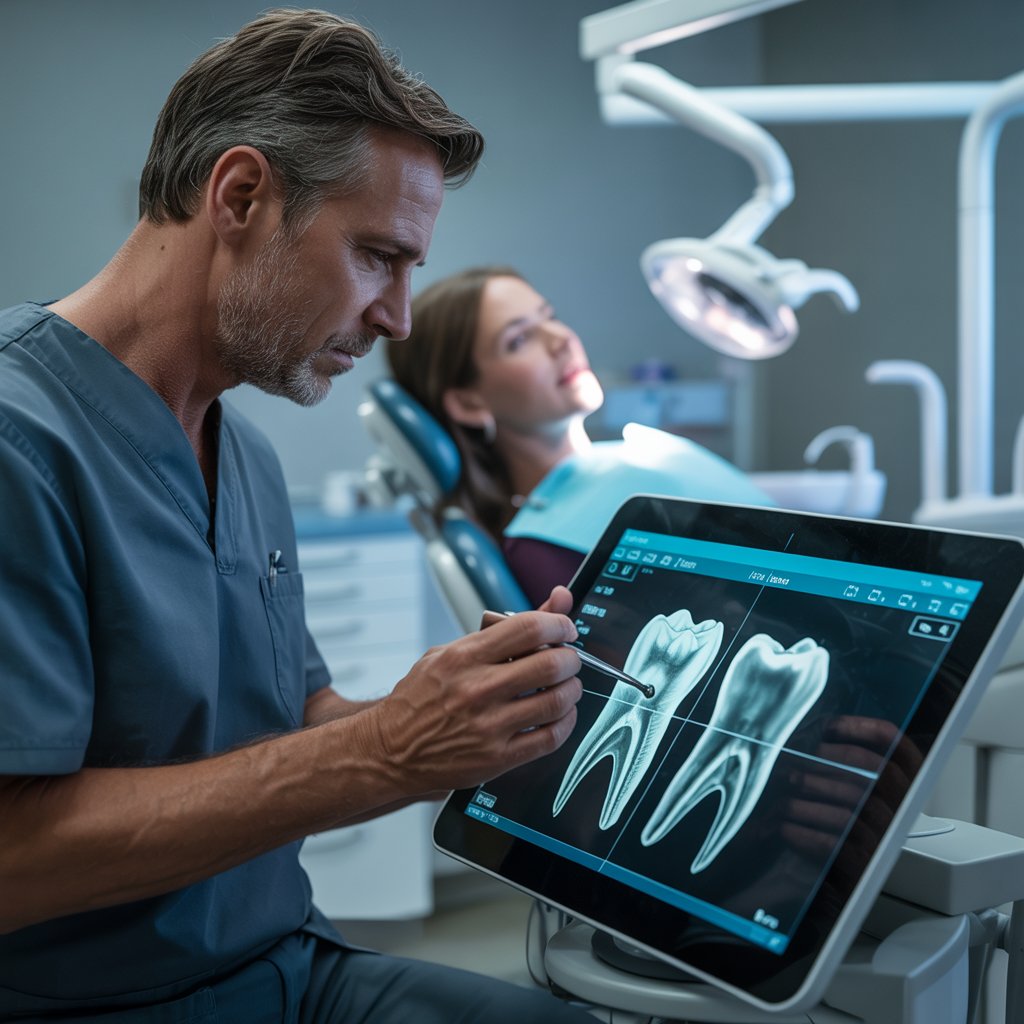
The dentist usually evaluates soft tissues, tooth position, mobility, bite alignment, fracture patterns, and signs of pulpal or root damage. X-rays are often needed, sometimes from more than one angle, because certain fractures hide in standard views. In some cases, particularly when roots or surrounding bone are in question, advanced imaging may be appropriate.
A practical detail many people do not expect is the need to document baseline findings. A tooth that tests normal on day one may behave differently in two weeks. Trauma can trigger delayed nerve changes. Color shifts, sensitivity, and percussion tenderness sometimes develop after the initial visit. Good emergency care includes not only immediate treatment but also a plan for follow-up, because some consequences reveal themselves slowly.
Common treatments after dental trauma
Treatment depends on the type and severity of the injury, as well as the age of the patient and the long-term prognosis of the tooth. A small enamel chip may need smoothing or cosmetic bonding. A larger fracture may require a buildup and crown. If the nerve is exposed or later becomes inflamed beyond recovery, root canal treatment may be necessary to preserve the tooth.
A loose tooth can sometimes be repositioned and stabilized with a flexible splint for a short period. A knocked-out permanent tooth may be replanted if conditions are favorable and the timeline is short enough. Soft tissue lacerations may need cleaning and suturing. If a restoration such as a crown or veneer comes off during an accident, it may be re-cemented or replaced depending on the condition of the tooth underneath.
There are cases where saving the tooth is not the best option. A vertical root fracture, severe crush injury, or extensive structural loss may make extraction the most predictable route. That can be difficult to hear, especially after a sudden accident, but honest treatment planning matters. A tooth with a poor long-term outlook should not be preserved temporarily if it only prolongs pain, infection risk, and higher costs. In those situations, the conversation shifts to replacement options such as an implant, bridge, or removable appliance, depending on age, healing, and budget.
Pain, swelling, and infection after an accident
Not every emergency begins with trauma. Sometimes the trigger is swelling from an infection that surfaces after a tooth cracks or a filling fails. In other cases, an accident sets the stage for later infection. A damaged tooth may lose its blood supply and develop symptoms days or weeks later. That is one reason follow-up matters even when the immediate injury seems under control.
Swelling deserves respect. Mild localized puffiness around the gum can often be managed while treatment is arranged. Rapid swelling in the cheek, jaw, or floor of the mouth is different. If it is accompanied by fever, trouble swallowing, or difficulty breathing, that is no longer just a dental inconvenience. It can become a medical emergency. Dentists who handle urgent cases know when to treat in the office and when the situation calls for hospital-level care.
Patients are often surprised that antibiotics are not a cure for every dental emergency. If the source is a dying nerve, abscess, or fractured tooth, the underlying problem usually needs direct treatment such as drainage, root canal therapy, or extraction. Medication may support care, but it rarely substitutes for it.
Children, teens, and adults do not present the same way
Age changes both the risk profile and the treatment decisions. Young children frequently injure their front teeth during normal play. Their primary teeth have shorter roots and sit near developing permanent teeth, so treatment has to balance immediate comfort with protecting what is growing underneath. Sometimes the best care is observation. Sometimes intervention is needed quickly.
Teenagers present a different mix. They are active, image-conscious, and often involved in sports. A Vitality Dental Emergency dentist Plano, TX chipped front tooth can feel emotionally devastating even when it is clinically manageable. Dentists treating teens have to think about esthetics, timing, and future growth. An implant, for example, is usually not placed until growth is complete, so temporary or staged solutions may be necessary if a permanent tooth is lost.
Adults bring other variables, including previous dental work, gum recession, clenching habits, and older restorations that may fail in an accident. A crown on a root canal treated tooth does not respond the same way to trauma as an untouched natural tooth. Neither does a tooth with substantial decay or bone loss. Emergency decisions become more nuanced when the foundation was already compromised before the accident happened.
Preventing the next emergency is part of the job
A good urgent visit does more than solve the immediate crisis. It should reduce the odds of a repeat event. Sometimes that means a custom mouthguard for an athlete. Sometimes it means replacing a worn crown before it fractures during a simple bite. For a family with small children, it may mean practical home safety adjustments that have nothing glamorous about them, corner guards, stair gates, better lighting, and a reminder that teeth are not tools.
The best prevention advice is usually simple:
- Wear a properly fitted mouthguard for contact and high-speed sports.
- Do not use teeth to open packages, hold nails, or twist bottle caps.
- Repair cracked teeth and failing restorations before they worsen.
- Keep emergency dental contact information easy to find.
- Seek evaluation after any significant mouth injury, even if pain is mild.
I have seen families save a tooth because they knew to store it in milk and leave immediately. I have also seen people lose salvageable teeth because they waited overnight, assuming the dentist could "glue it back tomorrow." Those are very different outcomes from very similar accidents.
Choosing the right emergency dentist in Plano
If you need an emergency dentist Plano, TX patients can rely on, speed matters, but so does judgment. Dental trauma is not only about filling a gap in the schedule. It requires the ability to triage, diagnose under pressure, manage pain, and explain options clearly when the patient is anxious and sometimes injured in more than one place.
Look for a practice that handles same-day urgent visits and has experience with traumatic injuries, broken teeth, infections, and displaced or avulsed teeth. It helps if the office can take diagnostic imaging on site and can coordinate referrals when oral surgery, endodontics, or hospital care is necessary. Accessibility matters too. When someone has facial swelling or a child is crying with a broken tooth, a long wait and poor communication only amplify the problem.
Clear instructions over the phone are another sign of a strong emergency office. The team should be able to tell you what to do before arrival, what symptoms change the level of urgency, and whether the situation belongs in a dental chair, an emergency room, or both. That kind of guidance can preserve treatment options before the patient even walks through the door.
What to expect after treatment
Many people feel better once the immediate crisis is handled and assume the process is over. Often it is not. Dental trauma can require follow-up over weeks or months. A splinted tooth may need reassessment. A root canal may be recommended later if the pulp does not recover. Cosmetic repairs may be refined once swelling resolves. Even a successful replantation of a knocked-out tooth needs monitoring, because root resorption and ankylosis can occur over time.
It is also normal for emotions to linger after the physical pain settles. Adults may worry about appearance at work. Teenagers may feel embarrassed after a visible sports injury. Parents may replay an accident and second-guess every decision. Good emergency care includes realistic reassurance, not false promises. Many broken or displaced teeth can be restored beautifully, but the path may involve stages. Setting honest expectations helps patients stay engaged in follow-up rather than disappearing once the worst pain passes.
Dental emergencies are disruptive by nature. They interrupt meals, sleep, work, school, and confidence. But they are often manageable when addressed quickly and thoughtfully. Whether the accident happens in a kitchen, on a job site, or in the middle of a game, timely care can protect both function and appearance. If you are searching for an emergency dentist Plano, TX families and workers can count on, think beyond convenience alone. Choose a team that understands trauma, acts decisively, and treats the first hour with the seriousness it deserves.
Vitality Dental
1220 Coit Rd # 106, Plano, TX 75075, United States
+1 972-645-4100
FAQ About Emergency dentist Plano, TX
Will the ER do anything for dental pain?
An emergency department can assess urgent symptoms and provide medical stabilization. Definitive treatment of the tooth usually requires a dentist. Seek emergency medical care for breathing or swallowing difficulty, uncontrolled bleeding, or serious facial injury.
What to do if I have a dental emergency in the middle of the night?
Contact a dentist or after-hours dental service promptly for guidance. If a permanent tooth is knocked out, keep it moist in milk while seeking immediate care. If symptoms suggest a medical emergency, go to an emergency department.
What qualifies as a dental emergency?
A knocked-out permanent tooth, severe or persistent tooth pain, a significant dental injury, or swelling may require urgent dental assessment. Call a dentist to describe the symptoms and determine timing. Uncontrolled bleeding or difficulty breathing or swallowing requires emergency medical care.