26 October 2026
Emergency Dentist Plano, TX: Treatment Options for Sudden Dental Damage
Presented by @deansupk991

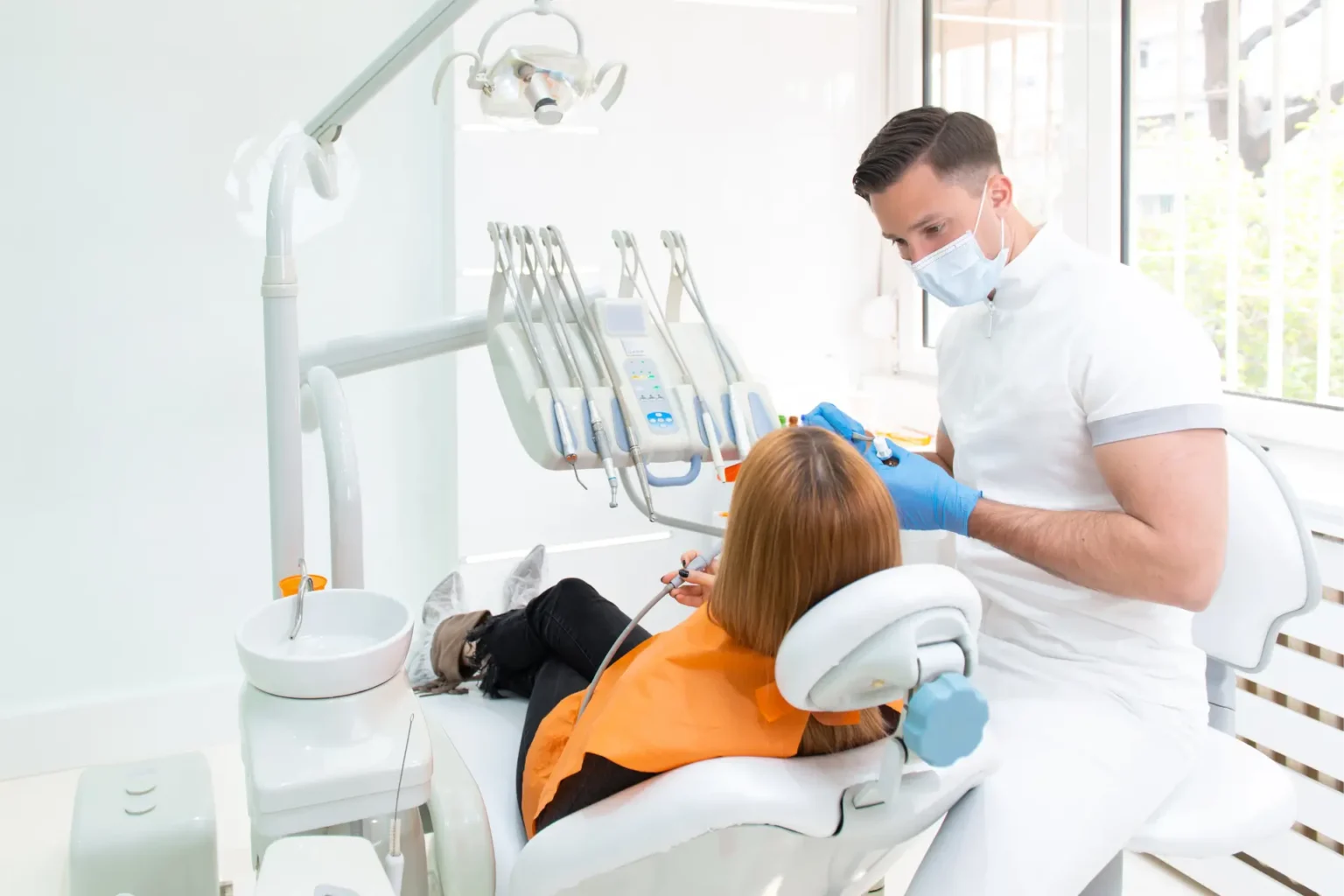
Dental emergencies rarely arrive at a convenient time. A cracked molar during dinner, a front tooth chipped in a weekend sports game, a crown that loosens before an important meeting, these problems bring pain, panic, and one immediate question: what can actually be done right now?
For patients searching for an emergency dentist Plano, TX, the answer depends on the kind of damage, how quickly care begins, and whether the tooth can be preserved. In real practice, dental emergencies are not all equal. Some are painful but stable for a day or two. Others need attention the same day because infection, bleeding, or tooth loss can escalate quickly. The most useful approach is not to guess, but to understand what dentists look for when deciding between monitoring, repair, root canal treatment, extraction, splinting, or referral.
A true emergency visit is less about patching things up and more about making sound decisions under time pressure. That often means controlling pain first, protecting the tooth structure that remains, and preventing the next problem, such as infection, nerve damage, or shifting teeth. Patients are often surprised to learn that the first visit may solve the problem completely, or it may serve as the stabilizing visit that makes proper treatment possible a few days later once swelling drops or imaging is reviewed.
What counts as sudden dental damage
Sudden dental damage usually falls into a few recognizable categories. Trauma from falls, sports, or car accidents is one major group. Biting into a hard object, such as ice, popcorn kernels, or a fruit pit, is another. Then there are failures of older dental work, including crowns, fillings, bridges, and veneers that break loose without much warning. Severe toothaches can also reveal hidden damage, particularly when a cracked tooth or deep cavity finally reaches the nerve.
Not every dental problem feels dramatic at first. A hairline crack can present as sharp pain only when chewing. A tooth may look intact but hurt intensely with temperature changes. A knocked tooth is obvious, but a root fracture or jaw injury can be less visible and more serious. This is one reason emergency evaluations are built around symptoms, X-rays, bite testing, and the story of how the injury happened.
In Plano, where youth athletics, school activities, cycling, and everyday busy schedules all play a role, dentists commonly see injuries that happen outside the dental office and need rapid triage. Timing matters. A broken filling can usually be managed, but a tooth that has been completely avulsed, meaning knocked out of the socket, has a much narrower window for successful reimplantation.
The first hour matters more than most people realize
The period right after the injury often influences whether the tooth can be saved. That does not mean patients need to diagnose the problem perfectly. It means simple steps can limit further harm before they reach the office.
If there is swelling, bleeding, a lost tooth, or obvious fracture, it helps to stay calm and protect the area from more pressure. Rinsing gently with water removes debris without forcing it deeper into injured tissue. A cold compress on the cheek can reduce swelling. Over the counter pain relief may help, though aspirin should be used carefully if active bleeding is present, since it can make bleeding harder to control.
Here are the most practical first steps before seeing an emergency dentist:
- If a tooth is knocked out, hold it by the crown, not the root, and keep it moist in milk or saline if possible.
- If a tooth is broken, save any large fragments and bring them to the appointment.
- If a crown or filling falls out, avoid chewing on that side and keep the area clean.
- If swelling or pain is severe, use a cold compress on the outside of the face for short intervals.
- If bleeding does not stop with gentle pressure, seek immediate urgent or emergency evaluation.
These actions do not replace treatment, but they can improve the outcome. I have seen teeth saved because a parent stored the tooth properly on the drive over, and I have seen otherwise repairable fractures worsen because the patient kept biting on the damaged side for several hours.
How an emergency dental exam usually works
An emergency dental visit is often more focused than a routine exam, but it is not rushed in the way people fear. The dentist wants to answer a few critical questions. Is the tooth restorable? Is the nerve involved? Is there infection? Is the supporting bone or gum tissue compromised? Has the bite changed? Does the injury involve one tooth, several teeth, or the jaw itself?
X-rays are standard in most emergencies because visible damage is only part of the picture. A small chip can hide a deeper crack. A tooth displaced by trauma may have root or bone involvement. A painful tooth with no visible cavity may show a deep old filling close to the nerve. Dentists may also check mobility, percussion sensitivity, response to cold, gum tenderness, and whether nearby teeth are affected.
Sometimes the most important part of the visit is narrowing the diagnosis. A patient may point to one tooth, while the actual source is the neighboring molar with a split cusp or abscess. Pain can radiate in deceptive ways, especially in the upper arch.
Chipped teeth, from cosmetic repair to full coverage restoration
Chipped teeth are among the most common urgent visits, but the treatment range is wide. A tiny enamel chip on the edge of a front tooth may need only smoothing or bonding. If the fracture is larger, especially in a visible area, tooth colored composite bonding can often restore both shape and appearance in one appointment. Done well, bonding is conservative and fast, though it is not always the strongest long term choice for patients with heavy bite pressure or grinding habits.
When a larger portion of the tooth is lost, the treatment changes. Back teeth that lose a cusp or a substantial amount of structure often need a crown rather than a simple filling, because a filling alone may not hold up under chewing force. If the chip extends into the dentin, sensitivity to cold and sweets is common. If the pulp is exposed, pain can be immediate and severe, and root canal treatment may become necessary before final restoration.
The location of the fracture matters as much as the size. A front tooth chip may be mostly an esthetic emergency, while a cracked molar under a chewing surface can threaten the whole tooth even if it does not look dramatic in the mirror.
Cracked teeth are tricky because symptoms do not always match the damage
Cracked teeth occupy an uncomfortable middle ground in emergency dentistry. Some are straightforward and can be stabilized with a crown. Others run below the gumline or into the root, making the tooth difficult or impossible to save. One of the hard truths about cracked teeth is that early treatment usually offers better odds. Waiting often turns a repairable crack into a split tooth.
Patients often describe cracked tooth pain as sharp when biting down or when releasing pressure. They may avoid one side of the mouth instinctively. Temperature sensitivity, especially to cold, is also common. The crack itself can be hard to see. Special lighting, magnification, bite tests, and imaging help, but even then, some cracks reveal their full extent only after the tooth is opened for treatment.
If the crack has not reached the nerve, a crown may protect the tooth by holding it together and distributing biting forces more evenly. If the pulp is inflamed or infected, root canal treatment plus a crown is often the path forward. If the crack extends too deep into the root, extraction may be the most predictable option. That is not the answer patients want, but sometimes the emergency visit is about preventing repeated pain, infection, and failed repair attempts.
What happens when a filling, crown, or bridge fails suddenly
Restorations rarely choose a convenient day to fail. A filling may wash out from recurrent decay or simple wear. A crown can loosen because the cement has degraded or the tooth underneath has fractured. Bridges may fail from decay on a supporting tooth or from excess force over time.
When this happens, the emergency dentist’s first task is to determine whether the original tooth structure is still sound enough to support new work. Recementing a crown is possible in some cases, but not all. If the crown still fits well and the tooth underneath is intact, a recement can be a reasonable short term or even long term solution. If the tooth is decayed, cracked, or too short to retain the crown properly, more extensive treatment is needed.
Patients sometimes arrive with a crown in a bag and hope it can simply be glued back on. Occasionally it can. Just as often, the underlying issue is what caused the loss in the first place. If that is not addressed, the crown will fail again, usually at a worse moment.
A lost filling can expose sensitive dentin, making air and cold water painful. Temporary material from a pharmacy may offer brief protection, but it should not delay treatment for long. Once the seal is broken, bacteria and food debris can enter more easily.
Knocked out and displaced teeth require speed and judgment
A tooth that is fully knocked out is one of the few true race against time scenarios in dentistry. Permanent teeth have the best chance of successful reimplantation when handled gently and returned quickly, ideally within an hour when circumstances allow. The tooth should be held by the crown only. Scrubbing the root damages living cells that matter for reattachment.
Even when a tooth cannot be replanted successfully, the emergency dentist still plays a critical role. The socket must be assessed, bleeding controlled, and nearby teeth examined for fractures or displacement. The treatment plan then turns toward replacement options, which may include a temporary prosthetic, a bridge, or later implant planning once healing is complete.
Displaced teeth, those pushed inward, outward, or sideways, can also be emergencies. These injuries often look less dramatic than an avulsed tooth, but they may involve ligament damage, root injury, and bite disruption. Repositioning and splinting are common treatments, followed by careful monitoring. Some teeth recover vitality. Others later require root canal treatment because the trauma interrupts the blood supply.
For children, the distinction between baby teeth and permanent teeth matters enormously. A knocked out baby tooth is generally not reimplanted because of the risk to the developing permanent tooth beneath it. That is one reason parents should not assume the internet has the right answer for every case. The age of the patient changes the plan.
When a root canal is part of emergency care
Root canal therapy has a reputation that scares people more than the reality usually justifies. In an emergency setting, the goal is simple: remove inflamed or infected tissue from inside the tooth, disinfect the canal space, and preserve the outer tooth if it is still structurally salvageable.
A tooth may need emergency root canal treatment after trauma, deep decay, a large Emergency dentist Plano, TX fracture, or a failed restoration that exposes the pulp. Typical clues include lingering pain to hot or cold, spontaneous throbbing, pain that wakes the patient at night, and tenderness when biting. Swelling or a pimple on the gum can signal infection spreading beyond the root.
Sometimes a dentist completes the root canal at the emergency visit. In other situations, especially when there is significant swelling, drainage, or schedule limitations, the first appointment focuses on opening the tooth, relieving pressure, placing medication, and getting the pain under control. A crown is often recommended afterward because endodontically treated teeth can become more brittle, especially molars.
The practical trade off is this: a root canal can preserve the natural tooth and avoid extraction, but only if enough healthy tooth remains for a durable final restoration.
When extraction is the better option
No dentist likes to recommend extraction casually. Saving natural teeth is usually the priority. Still, there are emergencies where removal is the most honest and predictable solution. A vertical root fracture, a tooth broken below the bone level, severe decay that leaves too little tooth structure, or advanced infection in a nonrestorable tooth are common reasons.
Extraction can also be the right choice when repairing the tooth would require multiple expensive steps with poor long term odds. That is a difficult conversation, especially if the tooth has already had a crown, root canal, or repeated patchwork. But there is value in clarity. A treatment plan should not keep a patient trapped in pain, repeated breakage, and mounting costs with little chance of long term success.
After extraction, the discussion shifts to replacement. Depending on the site, bone condition, and budget, options can include an implant, bridge, or removable partial solution. Immediate implant placement is possible in some cases, but not all. Infection, bone loss, and soft tissue condition all affect that decision.
Soft tissue injuries and facial swelling deserve respect
Dental emergencies are not limited to teeth. Lacerations of the lips, cheeks, tongue, and gums can bleed heavily and look alarming. Many can be managed in a dental setting if the wound is clean and localized. Others require medical care, particularly if the cut is deep, contamination is significant, or there is concern about facial bone injury.
Swelling is another sign patients should not ignore. Localized gum swelling near one tooth may stem from an abscess. Broader facial swelling, difficulty opening the mouth, fever, or trouble swallowing raises the level of concern. An infection that spreads into facial spaces is not a wait and see situation.
These symptoms usually justify urgent evaluation:
- A knocked out permanent tooth
- Uncontrolled bleeding after trauma
- Significant swelling of the face or gums
- Severe pain with fever or pus drainage
- A broken tooth with exposed nerve or sharp, unstable fragments
An emergency dentist Plano, TX can often manage the dental source of the problem, but severe swelling, breathing issues, or signs of spreading infection may require coordination with urgent care, an oral surgeon, or a hospital setting.
Temporary fixes versus definitive treatment
One of the biggest misconceptions in emergency dentistry is that if the pain stops, the problem is gone. Sometimes pain stops because the nerve has died. Sometimes a loose crown feels better once the pressure point is gone, even though the tooth underneath is decaying. Sometimes an abscess drains and provides a few days of relief before flaring again.
That is why emergency treatment often happens in phases. The first phase stabilizes. It may involve smoothing a sharp edge, placing a temporary filling, prescribing medication when indicated, draining infection, or recementing a restoration. The second phase is definitive. That could mean a crown, root canal, replacement of the restoration, extraction with grafting, or cosmetic refinement once the urgent problem is controlled.
Patients generally do best when they understand this distinction. Temporary treatment is not inferior. It is often the safest first move when tissues are inflamed or the full prognosis is not yet clear. What matters is follow through.
Cost, timing, and practical decision making
Emergency decisions are not made in a vacuum. People have work schedules, insurance constraints, travel plans, and family obligations. A good emergency dentist balances ideal dentistry with what is realistic in the moment. If a patient is leaving town the next day, the immediate goal may be to stabilize a cracked tooth, get them comfortable, and map out the definitive treatment on return. If a front tooth chip affects a public facing job, esthetics may take priority after pain control.
Costs also vary significantly. Bonding is generally less expensive than a crown. Recementing a crown costs less than remaking one, if the underlying tooth permits it. Root canal treatment plus crown is a larger investment, but it can preserve a strategic tooth for many years. Extraction may be less expensive upfront, while replacement later can raise the total cost beyond saving the tooth in the first place.
The right choice depends on prognosis, not just price. A lower cost repair that fails repeatedly can become the most expensive path of all.
Choosing the right emergency dentist in Plano
Not every office handles urgent care the same way. Availability matters, but so do diagnostic skill, technology, and willingness to be candid when a tooth cannot be predictably saved. When people search for an emergency dentist Plano, TX, they should look for an office that can accommodate same day or next day problems when possible, take diagnostic images promptly, and explain both the immediate fix and the longer term plan in plain language.
A strong emergency appointment leaves the patient with three things: pain relief or a path to it, a clear diagnosis or narrowed differential, and a realistic next step. That may sound simple, but in practice it makes all the difference. The patient should know what happened, what was done, what to watch for tonight, and what treatment needs to happen next.
Sudden dental damage is disruptive, but it is often Emergency dentist Plano, TX treatable when handled promptly and thoughtfully. Whether the issue is a cracked molar, a broken crown, a displaced tooth, or swelling from an infection, the goal is not just to get through the day. It is to protect function, avoid preventable complications, and make the next decision the right one.
Vitality Dental
1220 Coit Rd # 106, Plano, TX 75075, United States
+1 972-645-4100
FAQ About Emergency dentist Plano, TX
Will the ER do anything for dental pain?
An emergency department can assess urgent symptoms and provide medical stabilization. Definitive treatment of the tooth usually requires a dentist. Seek emergency medical care for breathing or swallowing difficulty, uncontrolled bleeding, or serious facial injury.
What to do if I have a dental emergency in the middle of the night?
Contact a dentist or after-hours dental service promptly for guidance. If a permanent tooth is knocked out, keep it moist in milk while seeking immediate care. If symptoms suggest a medical emergency, go to an emergency department.
What qualifies as a dental emergency?
A knocked-out permanent tooth, severe or persistent tooth pain, a significant dental injury, or swelling may require urgent dental assessment. Call a dentist to describe the symptoms and determine timing. Uncontrolled bleeding or difficulty breathing or swallowing requires emergency medical care.