26 October 2026
How an Emergency Dentist in Plano, TX Can Save Your Tooth
Presented by @deansupk991

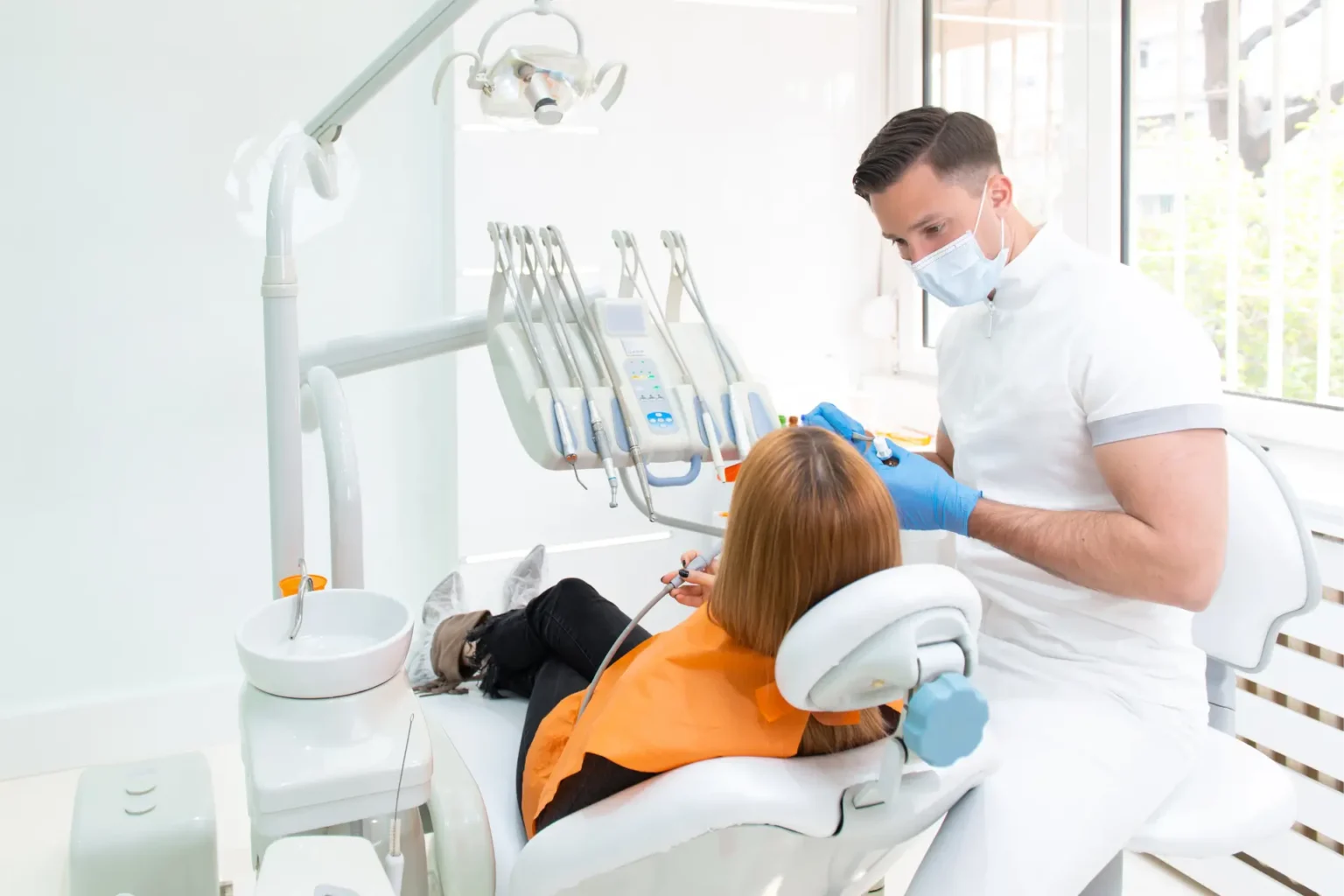

A true dental emergency has a clock on it. When a tooth cracks, gets knocked loose, or starts throbbing hard enough to keep you awake, the question is not simply how to stop the pain. It is whether the tooth can still be saved, how much supporting bone and gum tissue remain healthy, and how quickly a dentist can step in before a reversible problem becomes permanent.
That is where an emergency dentist in Plano, TX can make a meaningful difference. Fast care often changes the outcome. A small fracture can turn into a split tooth if you wait too long. A dislodged tooth can sometimes be stabilized if it is treated promptly. An infection that starts around one tooth can spread into the jaw or soft tissues of the face if ignored. Timing matters in dentistry more than many people realize.
People tend to hesitate for understandable reasons. They hope the pain will settle down. They are unsure whether the issue is serious enough to call. They worry about cost or assume the only option is the hospital emergency room. In practice, many urgent dental problems are best handled by a dentist, not an ER physician, because the tools, imaging, and treatment options are different. An emergency room can help with severe swelling, trauma, or uncontrolled bleeding, but it usually cannot perform a root canal, place a temporary crown, reimplant a tooth, or adjust a bite that is causing sharp pain.
The difference between discomfort and a real dental emergency
Not every ache is an emergency, but some symptoms deserve same-day attention. One of the clearest signs is pain that is escalating instead of fading. If a tooth is sensitive to cold for a second or two and then calms down, that may point to a minor issue. If cold lingers, heat triggers pain, or the tooth throbs on its own, the nerve may be inflamed or infected. At that point, a delay can reduce the chance of preserving the tooth with more conservative treatment.
Trauma is another category where speed matters. A chipped front tooth after a sports injury may look minor, but appearances can be deceptive. I have seen teeth with tiny visible chips that also had deeper cracks into the dentin, the layer under the enamel, which leaves the tooth vulnerable to infection and breakage. A tooth that has been pushed out of position, feels suddenly loose, or hurts when you bite can indicate ligament or bone injury even if there is little blood.
Swelling deserves special respect. Gum swelling near one tooth can come from a localized abscess that may still be manageable with prompt dental care. Facial swelling, fever, trouble swallowing, or difficulty opening the mouth normally are more serious warning signs. Those symptoms can signal a spreading infection and should not be brushed off.
Bleeding after dental work or an injury also needs judgment. Minor oozing often settles with pressure. Bleeding that continues steadily, soaks gauze repeatedly, or follows significant trauma should be assessed right away.
How dentists actually save teeth in urgent situations
People often picture emergency dentistry as pain control only, but saving the tooth is often the real objective. That can happen in several ways, depending on what went wrong.
If decay or a crack has reached the nerve, the fastest route to saving the tooth may be root canal therapy. That phrase still makes patients tense, usually because they associate it with old stories instead of modern treatment. In reality, the goal is straightforward: remove infected or inflamed tissue inside the tooth, disinfect the canals, and seal the space so bacteria cannot return. Done in time, that can preserve the root and the function of the tooth for many years.
When a tooth breaks, the dentist first has to determine whether the crack is restorable. A fracture limited to the crown, the visible part of the tooth, can often be repaired with bonding, an onlay, or a crown. A crack extending below the gum line is more complex. Some are still salvageable depending on depth and location. Others are not. What matters is that prompt evaluation gives the best chance to intervene before the crack propagates under chewing pressure.
A knocked-out tooth is one of the clearest examples of why urgency matters. Reimplantation has the best odds when the tooth is handled properly and seen quickly. The root surface has living cells that are fragile. If the tooth dries out or is scrubbed aggressively, those cells are damaged, and the long-term prognosis drops. This is one emergency where minutes count more than hours.
Loose teeth, especially after an accident, may be splinted into position. That means the dentist gently repositions the tooth and stabilizes it by attaching it temporarily to neighboring teeth. If the supporting structures heal well, the tooth may remain functional. If care is delayed, the tooth may become more mobile, the ligament can be more severely damaged, or the pulp inside the tooth may die without timely monitoring.
What to do before you reach the office
The period between the injury and the appointment matters more than most patients think. Small decisions made at home or on the way to the dental office can preserve tissue, reduce pain, and improve the odds of keeping the tooth.
Here are the most useful first steps:
- If a tooth is knocked out, pick it up by the crown, not the root. If it is dirty, rinse it gently with milk or saline. If possible, place it back in the socket without forcing it. If that is not possible, keep it in milk or a tooth preservation solution.
- If a tooth is cracked or broken, rinse your mouth with warm water and save any fragments. A fragment is not always usable, but sometimes it helps with repair or at least with matching shape and shade.
- If there is swelling, apply a cold compress to the outside of the face in short intervals. Do not place aspirin directly on the gum, which can burn the tissue.
- If bleeding is present, use clean gauze with firm pressure. For many oral injuries, ten to fifteen uninterrupted minutes of pressure works better than checking the site every minute.
- If pain is severe, over-the-counter pain relievers may help if you normally tolerate them, but they are not a substitute for treatment when infection or trauma is involved.
These steps Vitality Dental Emergency dentist Plano, TX are simple, but they are often the difference between a manageable emergency and a more complicated one by the time you sit in the chair.
Why the right diagnosis matters as much as fast treatment
Speed helps, but speed without a correct diagnosis does not save teeth. Dental pain has a way of misleading people. The tooth that hurts may not be the tooth causing the problem. Upper molar pain can feel diffuse. An abscess can drain and seem to improve temporarily, even while the infection remains active. A cracked tooth may hurt only when you release your bite, which some patients describe vaguely as a strange “zing” they cannot localize.
This is where an experienced emergency dentist in Plano, TX brings more than availability. The dentist has to sort through symptoms, examine the soft tissues, test the nerve response, evaluate the bite, and read imaging with a practical eye. A dark area at the root tip on an X-ray may confirm a long-standing infection. A fracture line may not show clearly on a standard image at all, which means the diagnosis depends heavily on the clinical Emergency dentist Plano, TX exam and the story you tell.
Sometimes the most important decision is what not to do. A tooth with a minor chip does not always need aggressive treatment that same day. A badly fractured tooth with deep gum involvement may need a frank conversation about whether heroic efforts are worth the cost and discomfort. Good emergency care is not just fast care. It is measured care.
Common emergencies that can lead to tooth loss
Some dental problems are especially unforgiving when treatment is delayed. Deep infection is high on that list. Once bacteria reach the pulp, the tooth cannot heal itself the way skin can. The nerve tissue is trapped inside a rigid space. Pressure builds, pain intensifies, and eventually the pulp may die. At that stage, discomfort sometimes decreases for a short while, which tricks people into thinking things are improving. Then the infection spreads beyond the root, and swelling begins.
Cracked teeth are another major cause of tooth loss. A hairline craze mark in enamel is usually cosmetic. A crack that extends into dentin and flexes under bite pressure is different. Patients often wait because the tooth feels “not too bad” most of the day. Then one hard bite on a crust of bread, ice, or a nut pushes the damage past the point where a crown can protect it.
Old dental work can fail suddenly too. A large filling may loosen the remaining tooth structure over time. A crown can come off, exposing a tooth that has very little natural strength left. In those situations, the emergency is not always dramatic pain. Sometimes the emergency is fragility. The tooth is one meal away from breaking in a way that changes the treatment plan completely.
What same-day care often looks like
People are often surprised that emergency dental visits are both more focused and more strategic than routine appointments. The priority is to control pain, stop active damage, and create a path that preserves the tooth when possible. That may mean the entire definitive treatment is completed the same day, or it may mean the dentist performs the most time-sensitive part first and schedules the rest once the area is stable.
For example, if an abscessed tooth is causing severe pain, the dentist may begin root canal treatment to relieve pressure and remove infected tissue, then complete the restoration with a crown later. If a front tooth fractures on a Friday afternoon, the dentist might smooth sharp edges, place a strong temporary restoration, and bring you back for a more esthetic final repair once the tooth’s vitality and structural needs are clearer. If a crown falls off but the tooth underneath is intact, recementing it quickly can protect the tooth from shifting, sensitivity, and fracture.
This practical sequencing is one reason same-day access matters. Delays tend to turn staged treatment into more invasive treatment.
The ER versus the dental office
It helps to know when a dental office is the best first call and when a hospital should be involved. If you have facial trauma, difficulty breathing, uncontrolled bleeding, or swelling that seems to be affecting your airway or ability to swallow, seek emergency medical care immediately. Those are not wait-and-see situations.
For most tooth-specific emergencies, however, the dental office is where tooth-saving treatment actually happens. Dentists can test pulp vitality, take dental radiographs, open and drain certain infections, splint teeth, place temporary restorations, and perform procedures that remove the source of the pain rather than simply masking it. Many patients who go to the ER for a toothache leave with antibiotics or pain medication but no definitive dental treatment. Sometimes that medical support is necessary, but it does not replace dental care.
Why Plano patients should not ignore “minor” symptoms
Plano is full of busy people with packed schedules, long workdays, school commitments, and family obligations. Dental issues often get pushed aside because they seem manageable for the moment. A little tenderness while chewing on one side becomes something you work around. A broken filling turns into a habit of avoiding cold drinks. Unfortunately, teeth rarely reward delay.
I have seen molars that could likely have been restored with a crown if evaluated the same week, then arrive a month later split in half. I have seen a patient with a loose front tooth after a weekend sports collision wait until the workweek calmed down, only to find that the tooth and surrounding tissues had become harder to stabilize. The pattern is common because symptoms ebb and flow, while the underlying problem keeps moving.
That is why finding an emergency dentist in Plano, TX before you need one is worth the small effort. In urgent care, the hardest part is often the first phone call, especially when you are in pain and trying to make decisions quickly.
Situations where the tooth may not be saved, and what honesty looks like
It is important to be candid. Not every tooth can be saved, even with prompt care. A vertical root fracture usually carries a poor prognosis. Severe decay extending far below the gum line may leave too little healthy structure to restore. Advanced periodontal disease can undermine the bone support to a point where stabilization is unrealistic. Trauma can be so severe that the tooth, root, and surrounding socket are all compromised.
Still, even in those cases, emergency treatment matters. The dentist can control pain, treat infection, protect neighboring teeth, and help preserve bone for a future replacement such as an implant or bridge. Saving the tooth is ideal, but saving the foundation for a strong long-term result is also valuable.
Good dentists are careful with this conversation. They do not promise more than biology will allow. They also do not give up too early on a tooth that still has a reasonable chance. That balance, between optimism and realism, is part of professional judgment.
How to lower your risk of needing urgent dental care
No one prevents every emergency. Falls happen. Fillings wear out. Teeth crack under unexpected force. But many true emergencies have a long runway, and prevention still matters.
A few habits make a real difference:
- Do not ignore bite pain, lingering sensitivity, or a filling that feels loose. Small warnings are easier and cheaper to address.
- Wear a properly fitted mouthguard for contact sports and, if you grind your teeth at night, ask about a night guard.
- Avoid chewing ice, popcorn kernels, and other hard foods with heavily restored teeth, especially molars with large old fillings.
- Keep up with routine exams and cleanings so cracks, decay, and failing restorations are found before they become urgent.
- If you have a dental crown or bridge that feels “off,” get it checked before movement or leakage leads to fracture or infection.
These are not glamorous tips, but they prevent a surprising number of panicked calls.
What to expect when you make the call
When you contact a dental office for urgent care, the front desk will usually ask a few key questions: what happened, when it started, whether there is swelling or bleeding, and whether the tooth was knocked out or loosened. Answer as specifically as you can. “It hurts” is less useful than “sharp pain when I bite on the back left tooth, started yesterday, now wakes me up.” The details help the team prepare and prioritize.
If you are seeing an emergency dentist in Plano, TX for trauma, bring any tooth fragments, your current medication list, and details about when you last ate if there is any chance a more involved procedure may be needed. If a child is the patient, keep the explanation calm and simple. Children read adult anxiety instantly, and that can make care harder than the injury itself.
Pain has a way of shrinking your focus to the next hour. Dentists understand that. The purpose of emergency care is to widen the horizon again, to stop the immediate problem, preserve what can be preserved, and move you back toward normal chewing, sleeping, and functioning.
A tooth often can be saved, but the window is not open forever. When symptoms point to a genuine dental emergency, quick evaluation is not overreacting. It is often the smartest way to keep a repairable tooth from becoming a missing one.
Vitality Dental
1220 Coit Rd # 106, Plano, TX 75075, United States
+1 972-645-4100
FAQ About Emergency dentist Plano, TX
Will the ER do anything for dental pain?
An emergency department can assess urgent symptoms and provide medical stabilization. Definitive treatment of the tooth usually requires a dentist. Seek emergency medical care for breathing or swallowing difficulty, uncontrolled bleeding, or serious facial injury.
What to do if I have a dental emergency in the middle of the night?
Contact a dentist or after-hours dental service promptly for guidance. If a permanent tooth is knocked out, keep it moist in milk while seeking immediate care. If symptoms suggest a medical emergency, go to an emergency department.
What qualifies as a dental emergency?
A knocked-out permanent tooth, severe or persistent tooth pain, a significant dental injury, or swelling may require urgent dental assessment. Call a dentist to describe the symptoms and determine timing. Uncontrolled bleeding or difficulty breathing or swallowing requires emergency medical care.